Buying commercial restaurant equipment is one of the biggest investments you’ll make when opening, expanding, or upgrading a foodservice business. Choosing the right equipment affects more than your initial budget. It can influence kitchen efficiency, food quality, utility costs, available workspace, and how effectively your staff handles a busy service.
That’s why a good commercial restaurant equipment buying guide shouldn’t simply give you a checklist of appliances. The better question is: What equipment makes sense for the way your kitchen actually operates?
At Automatic Ice Maker Company, we’ve worked with commercial foodservice equipment since 1961. Our team helps restaurants and other foodservice businesses compare equipment based on capacity, application, available space, budget, and long-term operating needs.
Use this guide to start building your equipment plan, then explore our commercial restaurant equipment when you’re ready to compare your options.
What Equipment Does a Commercial Restaurant Need?
There isn’t one universal restaurant equipment checklist that works for every business.
A high-volume pizzeria has very different equipment requirements than a café, bar, deli, bakery, food truck, or full-service restaurant. Your menu and expected volume should drive your equipment decisions.
Most commercial kitchens require equipment from several major categories.
Commercial Cooking Equipment
Your cookline may require ranges, ovens, fryers, griddles, broilers, hot plates, mixers, slicers, or other specialized appliances.
When comparing commercial cooking equipment, consider how many menu items will rely on each appliance and how heavily that equipment will be used during peak service.
A piece of equipment that works well for a low-volume operation may become a bottleneck in a busy kitchen.
Commercial Refrigeration Equipment
Reliable refrigeration is essential for ingredient storage, preparation, food safety, and efficient kitchen operations.
Depending on the business, you may need reach-in refrigerators, commercial freezers, prep tables, display cases, ice cream cabinets, or specialized refrigeration.
Before purchasing commercial refrigeration equipment, think about both storage capacity and workflow. The largest refrigerator isn’t automatically the best choice if its size or placement makes the kitchen harder to use.
Commercial Ice Machines
Restaurants, bars, hotels, convenience stores, healthcare facilities, and many other businesses depend on reliable ice production.
When choosing a commercial ice maker, consider:
- Expected daily ice usage
- Peak demand
- Type of ice required
- Available installation space
- Storage capacity
- Water and electrical requirements
Browse commercial ice machines to see available equipment and manufacturers.
Food Preparation and Storage Equipment
Prep tables, food slicers, mixers, shelving, work surfaces, and storage equipment may not receive as much attention as major cooking appliances, but they have a significant effect on workflow.
Good equipment placement can reduce unnecessary movement and help staff move food efficiently from storage to preparation, cooking, and service.
Start With Your Menu, Not an Equipment List
One of the most important commercial kitchen equipment buying tips is also one of the simplest: start with what you’re going to serve.
Build your equipment list around your menu and service model.
Ask:
- Which dishes will be prepared most frequently?
- What cooking methods will you use?
- Which appliances will operate simultaneously?
- How much refrigerated and frozen storage will you need?
- How much food will you prepare during peak periods?
- How much ice will the business consume?
- Which pieces of equipment are mission-critical?
This approach can prevent both underbuying and overspending.
For example, purchasing a commercial fryer based purely on price could create problems if its production capacity cannot keep up with your busiest dinner service. At the same time, paying for significantly more capacity than your restaurant will use can unnecessarily increase startup costs.
How to Choose Commercial Kitchen Equipment
Once you’ve identified what equipment you need, compare individual units based on more than brand and purchase price.
Capacity
Size equipment for realistic peak demand rather than only average daily volume.
The goal is to have enough capacity to handle your busiest periods without purchasing substantially more equipment than your operation requires.
Physical Dimensions
Measure carefully before ordering.
Consider:
- Doorways
- Hallways
- Installation clearances
- Equipment depth
- Work aisles
- Ventilation space
- Existing counters and prep areas
A great piece of equipment doesn’t help if you can’t get it through the door or install it correctly.
Utility Requirements
Confirm electrical voltage, gas connections, water supply, drainage, and ventilation requirements before purchasing.
These details can dramatically affect installation costs.
Energy and Water Consumption
The purchase price is only one component of equipment cost. Commercial appliances operate for years, which means energy and water usage can become significant long-term expenses.
Parts and Serviceability
Ask how easy it is to obtain replacement parts for the brand you’re considering.
Equipment downtime costs money. Choosing established manufacturers with accessible replacement parts can make future maintenance easier.
Auto Ice carries equipment from a range of established manufacturers. Explore our commercial equipment manufacturers to compare available brands.
New vs. Used Restaurant Equipment: Which Should You Buy?
This doesn’t have to be an all-or-nothing decision.
Many commercial kitchens use a combination of new and pre-owned equipment.
When New Equipment Makes Sense
New restaurant equipment may be the stronger choice when:
- The appliance is critical to daily operations.
- You want current technology or efficiency features.
- Manufacturer warranty coverage is important.
- You expect intensive long-term use.
- You need a specific configuration or capacity.
When Used Equipment Makes Sense
Used commercial equipment can be attractive when:
- Startup budget is limited.
- You’re expanding an existing kitchen.
- You need additional capacity.
- A quality pre-owned unit is available.
- The savings outweigh the benefits of buying new.
Explore used restaurant equipment for sale to see current pre-owned options.
The better question isn’t simply “Is new or used better?” It’s “Which option offers better value for this specific piece of equipment and my business?”
How Should You Budget for Restaurant Equipment?
Instead of assigning the same budget priority to every appliance, rank equipment based on how important it is to your operation.
Consider three categories:
Mission-critical equipment: Appliances that could prevent you from serving customers if they fail.
High-use equipment: Equipment that operates heavily every day and directly affects production.
Supporting equipment: Items that improve workflow but may have less impact on your ability to operate.
Then consider the total cost of ownership, including:
- Purchase price
- Installation
- Utilities
- Maintenance
- Replacement parts
- Expected lifespan
- Potential downtime
A lower purchase price doesn’t always mean a lower long-term cost.
Questions to Ask Before Buying Restaurant Equipment
Before committing to a major purchase, ask your equipment supplier:
- Is this unit properly sized for my expected volume?
- What utilities and installation requirements does it have?
- Are replacement parts readily available?
- What routine maintenance does it require?
- Is there a new, used, or alternative model I should compare?
- Does this equipment fit my available space?
- What should I know about delivery and installation?
A knowledgeable supplier should help you understand what you’re buying rather than simply pushing you toward the most expensive option.
Why Buying Restaurant Equipment Locally Can Help
Buying commercial equipment from a local supplier provides advantages that aren’t always available when ordering from an unfamiliar online seller.
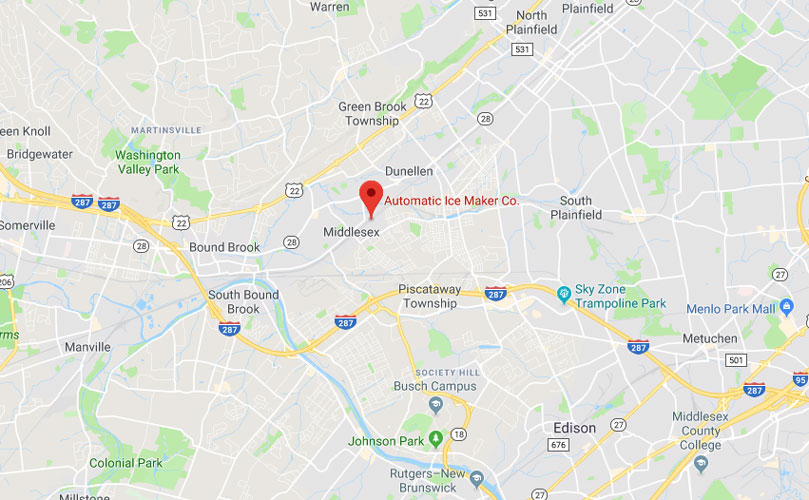
Automatic Ice Maker Company’s showroom is located in Middlesex, NJ, giving businesses the opportunity to see equipment in person, compare options, and speak with knowledgeable staff.
For New Jersey businesses, local support can also make it easier to discuss product availability, replacement parts, delivery, and future equipment needs.
Build a Commercial Kitchen Around Your Business
The best commercial kitchen isn’t necessarily the one with the most expensive equipment. It’s the kitchen where each piece of equipment has been selected to support the menu, staff, available space, customer volume, and budget.
Taking time to compare capacity, utilities, maintenance requirements, new versus used options, and long-term operating costs can prevent expensive purchasing mistakes.
Ready to Build or Upgrade Your Commercial Kitchen?
You don’t have to figure out every equipment specification on your own.
Tell Automatic Ice Maker Company about your restaurant, menu, available space, and equipment needs. Our team can help you compare options and identify commercial equipment that makes sense for your operation.
Request a restaurant equipment quote and start building an equipment plan for your business.
Frequently Asked Questions About Buying Restaurant Equipment
What equipment do I need to open a restaurant?
Most restaurants need some combination of commercial cooking equipment, refrigeration, freezers, food preparation equipment, storage, and ice-making equipment. The exact list should be based on your menu, service model, available space, and expected customer volume.
Is it better to buy new or used restaurant equipment?
It depends on the equipment and your priorities. New equipment may provide warranty coverage and newer features, while quality used restaurant equipment can reduce upfront costs. Many businesses use a combination of both.
What should I look for when buying commercial kitchen equipment?
Evaluate capacity, dimensions, utility requirements, efficiency, manufacturer reputation, parts availability, maintenance requirements, and total cost of ownership rather than comparing purchase price alone.
How do I choose the right size restaurant equipment?
Start with expected peak production rather than average volume. Equipment should be capable of handling busy periods without being unnecessarily oversized for your operation.
Where can I buy commercial restaurant equipment in New Jersey?
Automatic Ice Maker Company has a commercial restaurant equipment showroom in Middlesex, NJ, with new and used equipment for restaurants and other foodservice businesses. Buyers can compare available equipment in person or request a quote based on their needs.