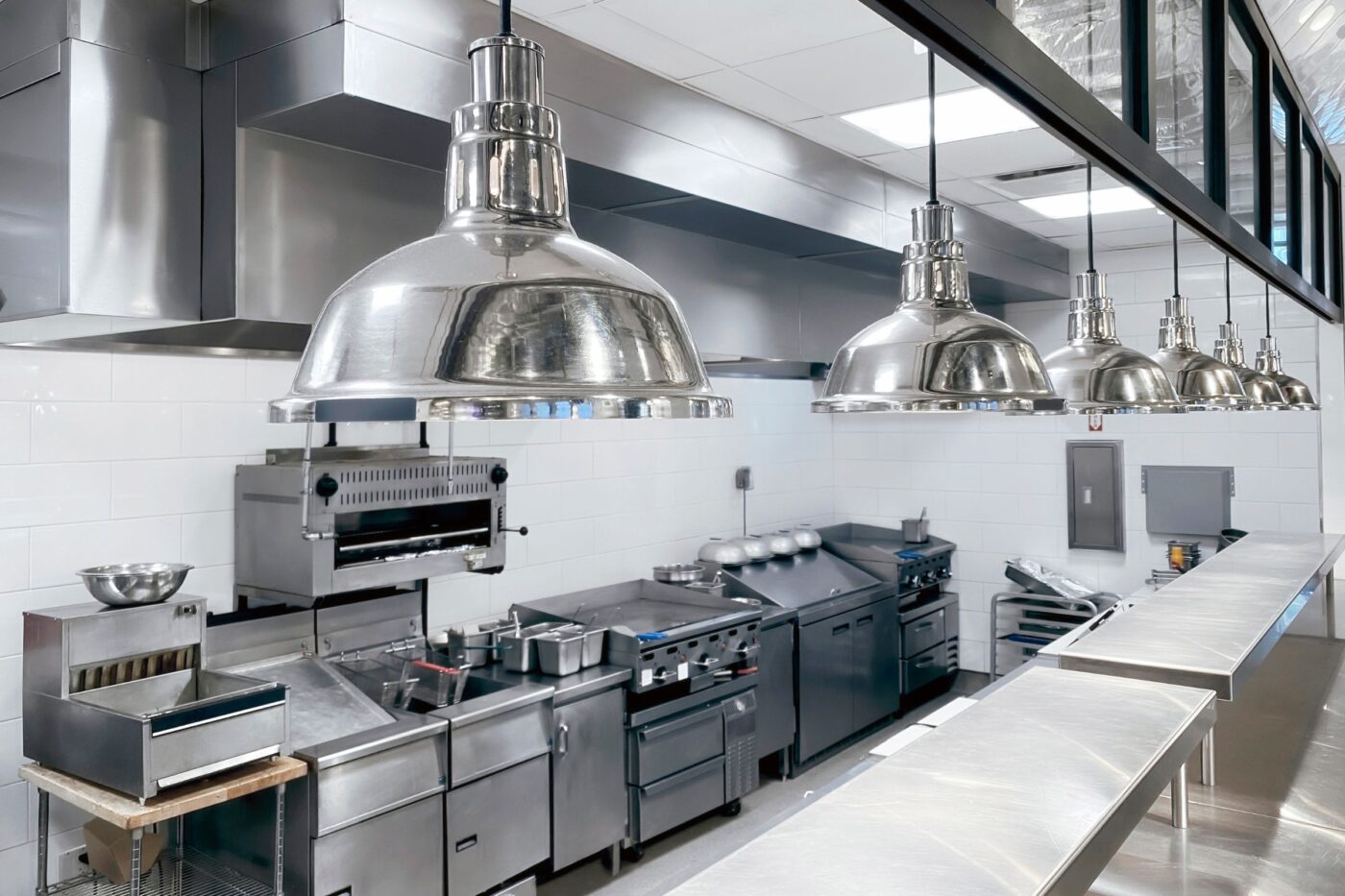
In any bustling kitchen, safety should always come first. From scorching stove tops to slippery floors, a single misstep can lead to serious injuries. Whether preparing appetizers or plating desserts, being aware of potential risks helps protect your team and your business’s reputation. Think of it as creating a culture of care. When everyone feels responsible for safety, accidents drop dramatically.
Establishing Comprehensive Training and Maintenance Schedules for All Appliances
Well-maintained commercial kitchen equipment runs more smoothly and reduces breakdowns that could cause harm. Schedule regular inspections, sharpen blades only when unplugged, tighten loose bolts on mixers, and replace worn-out fridge seals. Encourage staff to report any odd noises or leaks promptly. A simple weekly checklist keeps gear in top shape and reminds your crew that safety is non-negotiable.
Implementing Safe Handling Practices for Heavy and Sharp Restaurant Equipment
Handling heavy restaurant equipment, such as ovens or prep tables, requires more than just muscle. Use two-person lifts, secure wheels on rolling carts, and keep pathways clear of boxes or debris. Always wear cut-resistant gloves and goggles when cleaning—hot oil splatters can happen in a heartbeat.
Developing Clear Operating Protocols and Emergency Responses for Cooking Equipment
Every piece of cooking equipment needs its own set of guidelines. Post step-by-step instructions near appliances, outlining preheat times, maximum load limits, and emergency shut-off procedures. Regularly drill your team on handling grill flare-ups and gas leaks. Simple simulations such as practicing the location of fire blankets—can be more effective than lectures, ensuring everyone remembers what to do under pressure.
Ensuring Hygiene and Peak Performance of Commercial Ice Machines Year-Round
Ice isn’t just for drinks in NJ; chefs use crushed cubes to chill salads and seafood. But dirty commercial ice machines can harbor bacteria, risking food safety. Clean condenser coils monthly, sanitize bins weekly, and replace water filters according to manufacturer guidelines. When serviced correctly, these machines keep ice crystal-clear and kitchens running smoothly, even during the summer rush.
Automatic Ice Maker Co. proudly supports the food service industry with reliable, high-efficiency ice solutions and expert safety advice. Browse our site to discover more about our commercial ice machines.
FAQs
What steps should be taken to maintain commercial ice machines?
Ice machines should be cleaned and sanitized regularly—coils monthly, bins weekly, and filters according to manufacturer instructions. This prevents bacterial growth, ensures food safety, and keeps performance consistent during peak seasons.
How should commercial kitchens prepare for emergencies involving cooking equipment?
Each piece of equipment should have visible, step-by-step operating instructions. Staff should be trained in emergency protocols like shutting off gas or extinguishing grill flare-ups. Regular drills and simulations help ensure everyone knows how to respond under pressure.
What are the best practices for handling heavy and sharp kitchen equipment?
Use proper lifting techniques, such as two-person lifts for bulky items. Always secure wheels on movable equipment and keep walkways clear. When dealing with sharp objects or cleaning, wear cut-resistant gloves and eye protection to prevent cuts and burns.
>Categorised in: Kitchen Equipment, Restaurant Equipment