Here, “refurbish” means returning used commercial appliances to safe, reliable operation through structured inspection, cleaning, parts replacement, testing, and certification. This guide concentrates on two high-impact categories — commercial ice machines and commercial refrigeration — and explains why refurbishment protects uptime, lowers capital expense, and supports sustainable operations. You’ll get a step-by-step refurbishment workflow, practical cleaning and descaling methods, gasket and seal replacement procedures, straightforward troubleshooting flows, and clear advice on sourcing genuine parts and when to call a pro. The guide maps inspection-to-testing actions for ice makers, shows how to prioritize repairs for freezers and coolers, and summarizes the cost and environmental factors that drive buy‑versus‑refurbish decisions. We use field terms—evaporator, condenser, compressor, water inlet valve, gasket—and include actionable lists and quick reference tables to help onsite technicians and restaurant operators. Read on for step procedures, safety notes on refrigerant handling, and local parts-and-service options.
What Are the Key Steps in Commercial Ice Machine Refurbishment?
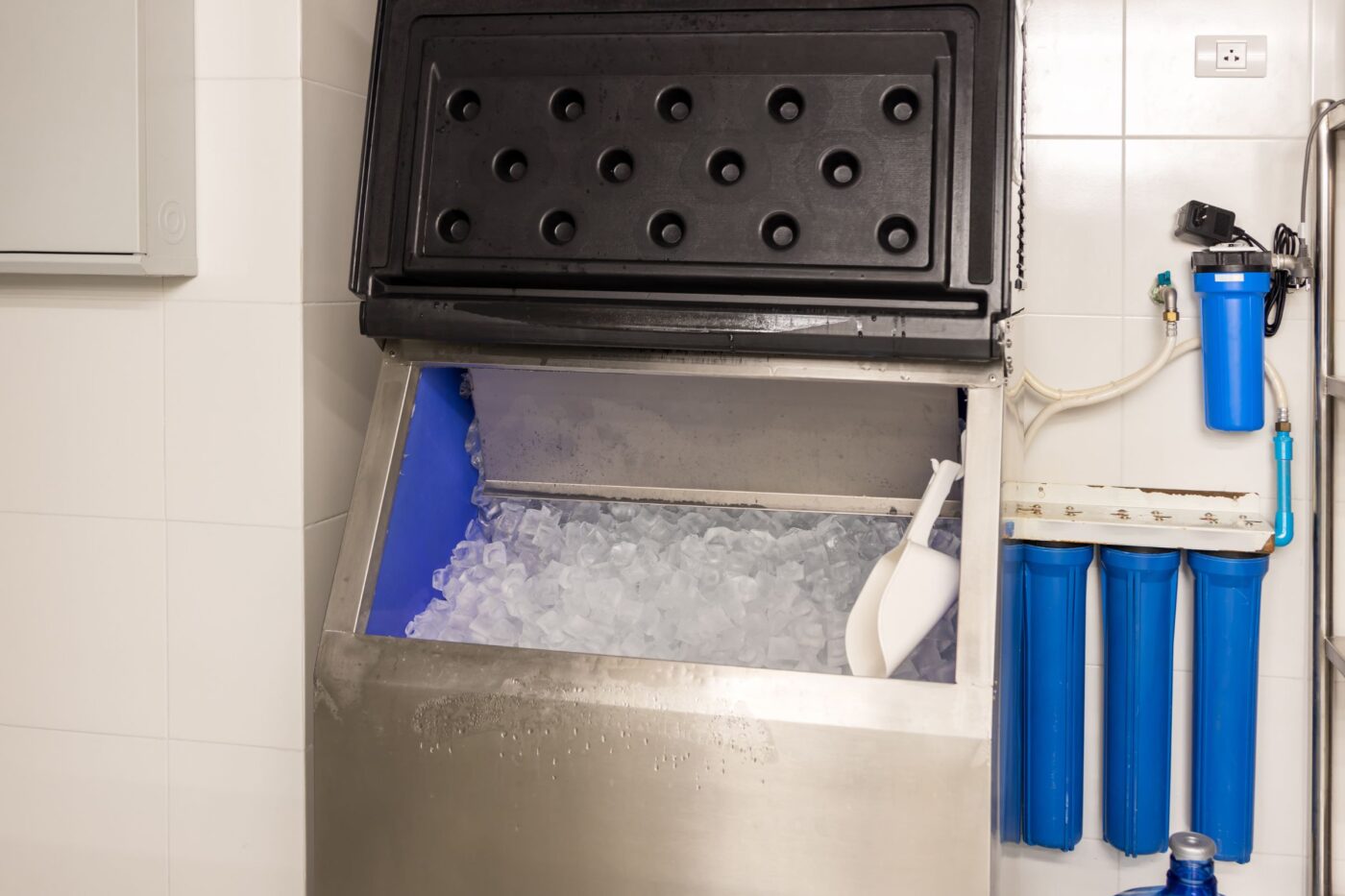
Refurbishing a commercial ice machine follows a consistent sequence: diagnose, clean and descale, replace worn parts, then test and calibrate. Following this order restores ice quality and production while cutting microbial and scale-related failures. The checklist below gives technicians and managers a concise operational plan; each step points to the inspections, tools, and tests needed to confirm the unit is ready to return to service.
The core refurbishment steps are:
- Inspect and diagnose visual, electrical, and water‑system issues before teardown.
- Clean and descale the evaporator and water passages using food‑safe agents.
- Replace filters, valves, gaskets, and worn mechanical components with authenticated parts.
- Test production rate, ice clarity, and control calibration; log post‑refurbish metrics.
This ordered workflow helps teams prioritize work, plan parts and labor, and reduce repeat visits. The sections that follow break down inspection tips and cleaning practices that support each step and keep rework to a minimum.
Use the parts → symptom → action reference table below to map common failure modes to recommended refurbishment actions. It clarifies when cleaning or adjustment is sufficient and when replacement is required.
| Component | Typical Symptom | Recommended Refurbishment Action |
|---|---|---|
| Evaporator | Scale buildup; poor ice quality | Descale with food‑grade acid cleaner; verify heat transfer efficiency |
| Water inlet valve | Weak or no water flow | Clean the strainer; replace the valve if flow doesn’t recover |
| Gasket | Air or water leaks at the bin door | Remove the old gasket, clean the seating surface, and fit a replacement |
| Compressor | Overheating or noisy starts | Confirm correct electrical supply and test the start relay; replace the compressor if failure is verified |
Keep this table handy to decide whether cleaning, adjustment, or replacement provides the best return on investment for each unit.
How Do You Inspect and Diagnose Used Ice Machines?
Begin with a structured visual and functional inspection to spot corrosion, scale, leaks, and bin condition, then run basic electrical and water‑flow checks. Record model and serial numbers to confirm parts compatibility and capture the unit’s service history. Perform simple electrical tests: verify incoming voltage, inspect wiring and connections, and read control‑board diagnostics or error codes. Run a short production cycle to watch water distribution, harvest behavior, and noise patterns — these observations often identify likely failure points before teardown.
Log findings in a standard checklist and prioritize items that affect food safety and production first. Good documentation speeds parts ordering, enables before‑and‑after comparisons, and reduces repeat service visits — improving overall refurbishment outcomes.
What Are the Best Cleaning and Descaling Practices for Ice Makers?
Effective cleaning uses food‑safe descalers at the correct concentration and thorough rinsing to remove scale, biofilm, and mineral deposits from evaporators and water paths. Always wear PPE when handling chemicals and isolate power before disassembly. Use manufacturer‑recommended descaling agents and follow specified dwell times to avoid surface damage. Rinse thoroughly with potable water, run several harvest cycles, and flush lines to remove residual cleaner and loosened debris.
Set a preventive cleaning schedule to limit heavy descaling: frequent simple rinses and timely filter changes preserve ice quality and reduce wear on mechanical parts. After cleaning, inspect components to identify parts that need replacement before performance testing.
How Can You Restore Commercial Refrigeration Equipment Effectively?
Restoring commercial refrigeration requires targeted diagnostics of core systems and attention to seals and airflow to regain stable temperature control and efficiency. Key areas are compressor operation, condenser airflow, evaporator performance, and thermostat accuracy — each affects temperature stability and energy use. Follow a methodical sequence: inspect, test, repair or replace, then validate. For safety, isolate electrical power and leave refrigerant recovery and sealed-system work to certified technicians.
A short troubleshooting checklist helps isolate common causes of temperature loss or excess condensation. These basic checks can be done without specialized tools:
- Compressor: Listen for unusual noise; verify start capacitor and relay function.
- Condenser: Look for blocked fins; clean coils with low‑pressure air or a coil brush.
- Evaporator and fans: Confirm proper airflow and correct defrost operation.
Those primary checks guide targeted repairs — gasket replacement, fan service, or minor electrical fixes — that often restore acceptable performance at a fraction of replacement cost.
What Are Common Issues and Troubleshooting Tips for Commercial Refrigerators?
Typical refrigerator problems include poor cooling, excessive frost, abnormal noises, and water pooling. Each symptom maps to a short diagnostic flow. If a unit won’t cool, first check the thermostat setting and condenser cleanliness, then verify compressor operation and refrigerant charge if accessible. For noise, inspect fan bearings and compressor mounts and check for loose panels. For leaks or pooling, examine door seals, drain lines, and the evaporator drain pan.
Use an infrared thermometer or probe to check temperature gradients and locate airflow blockages. Record symptom→cause links to guide parts ordering and support warranty discussions. If diagnostics point to a sealed‑system failure, arrange certified refrigeration service.
How Do You Replace Gaskets, Seals, and Other Essential Parts?
Replacing door gaskets and seals restores thermal integrity, reduces frosting, and lowers energy use. The task needs basic tools and accurate measurement for a correct fit. Remove the old gasket, clean the mating surface with a non‑abrasive cleaner, then fit the new gasket, check alignment, and allow time for compression and seating before testing door closure and temperature recovery. For parts like compressor mounts or fan assemblies, follow manufacturer torque and mounting specs to avoid vibration and premature failure.
Confirm part authenticity by matching model and part numbers before installation. After replacement, run a full thermal cycle and monitor logs to verify improved performance. Proper installation reduces repeat failures and extends service life.
What Are the Benefits of Refurbishing Used Restaurant Equipment?
Refurbishment delivers three main benefits: lower upfront cost versus buying new, extended equipment life that delays replacement spending, and environmental gains from reduced waste and manufacturing demand. Refurbished units can often meet immediate needs faster than waiting for new equipment and can be upgraded incrementally with authentic OEM parts to hit performance targets. Environmental benefits include fewer units sent to landfill and lower embodied emissions compared with new manufacturing. For well‑maintained models from trusted brands, refurbishment is frequently the most practical option.
The table below offers an illustrative cost comparison between typical new purchase and typical refurbish cost to support quick decision‑making.
| Item | Typical New Cost (approx.) | Typical Refurbish Cost (approx.) |
|---|---|---|
| Commercial ice machine | $6,000 | $1,500 |
| Commercial reach-in fridge | $4,000 | $1,000 |
| Walk-in cooler segment | $12,000 | $3,000 |
This simplified comparison demonstrates potential savings that support many refurbish decisions. Factor in warranty differences and estimated remaining service life when calculating ROI and planning preventive maintenance to maximize value.
How Does Refurbishment Save Costs Compared to New Equipment?
Refurbishment saves money by replacing failed or degraded components instead of the entire unit, lowering parts and labor costs versus full replacement. Typical refurbish budgets cover filters, gaskets, valves, labor, and testing, delivering significant percentage savings as shown in the table above. Refurbish projects can be staged so critical failures are addressed first while lower‑risk items are deferred. Warranty coverage and expected remaining service life are key variables in the cost‑benefit analysis.
A basic ROI check compares refurbish cost to the months of service extension multiplied by avoided monthly capital amortization to estimate payback. Use manufacturer compatibility and authentic parts to avoid savings being negated by premature repeat failures.
What Environmental Advantages Come from Equipment Refurbishment?
Refurbishment reduces waste by keeping durable equipment in service longer and reclaiming high‑value components for reuse, lowering demand for new production. Avoided manufacturing reduces embodied carbon and raw material extraction tied to new appliances. Refurbished programs support circular‑economy practices in foodservice by creating markets for certified used equipment and parts. Additional benefits include lower transportation impacts when local refurbishment and parts sourcing are used.
Organizations tracking sustainability can include refurbished assets in lifecycle models to quantify avoided emissions and waste diversion — metrics that strengthen procurement and sustainability reporting.
Where Can You Source Genuine Parts and Professional Services for Refurbishment?
Start by recording model and serial numbers, then cross‑reference OEM parts lists and authorized distributor inventories to find genuine parts. Verify seller credentials and request part numbers, packaging, or documentation to confirm authenticity. Sources include OEM authorized distributors, specialty used‑parts suppliers, and local service shops that keep common parts in stock. When unsure, choose suppliers who provide traceability and returns for incorrect items.
Use this quick checklist to confirm part authenticity before purchase:
- Record the unit’s model and serial numbers.
- Cross‑reference part numbers against the manufacturer parts list.
- Buy from authorized dealers or verified inventories and retain receipts.
Following this checklist reduces compatibility errors and supports warranty or service claims. For sealed‑system repairs or complex refurbishment, hire certified technicians to ensure regulatory compliance and safe refrigerant handling.
How to Identify and Purchase Authentic Parts for Ice Machines and Refrigeration?
Before ordering, locate the unit’s model and serial numbers and note any part numbers stamped on existing components to ensure accurate cross‑referencing. Request OEM diagrams when available and compare physical dimensions and electrical specs. Buy from authorized distributors or reputable used‑parts suppliers who can confirm fitment and accept returns. Keep invoices and part ID records to support future maintenance and warranty claims.
These verification steps create a defensible procurement process that reduces downtime and prevents costly mismatches. Correct part sourcing preserves performance and meets brand compatibility requirements.
When Should You Seek Professional Refurbishment Services in New Jersey?
Call in professionals when symptoms point to sealed‑system failures, major compressor problems, refrigerant leaks, or complex electrical faults that need certified technicians and specialized tools. In New Jersey and the Tri‑State area, local service providers with parts inventories and diagnostics can shorten downtime and provide traceable repairs. For example, Automatic Ice Maker Co. supplies used and new commercial ice machines, stocks parts for brands like Hoshizaki, Ice‑O‑Matic, Manitowoc, Scotsman, and Follett, and offers parts and repair services. Contacting a nearby authorized provider speeds parts sourcing and complex repairs while helping ensure compliance with refrigerant regulations.
>Categorised in: Restaurant Equipment