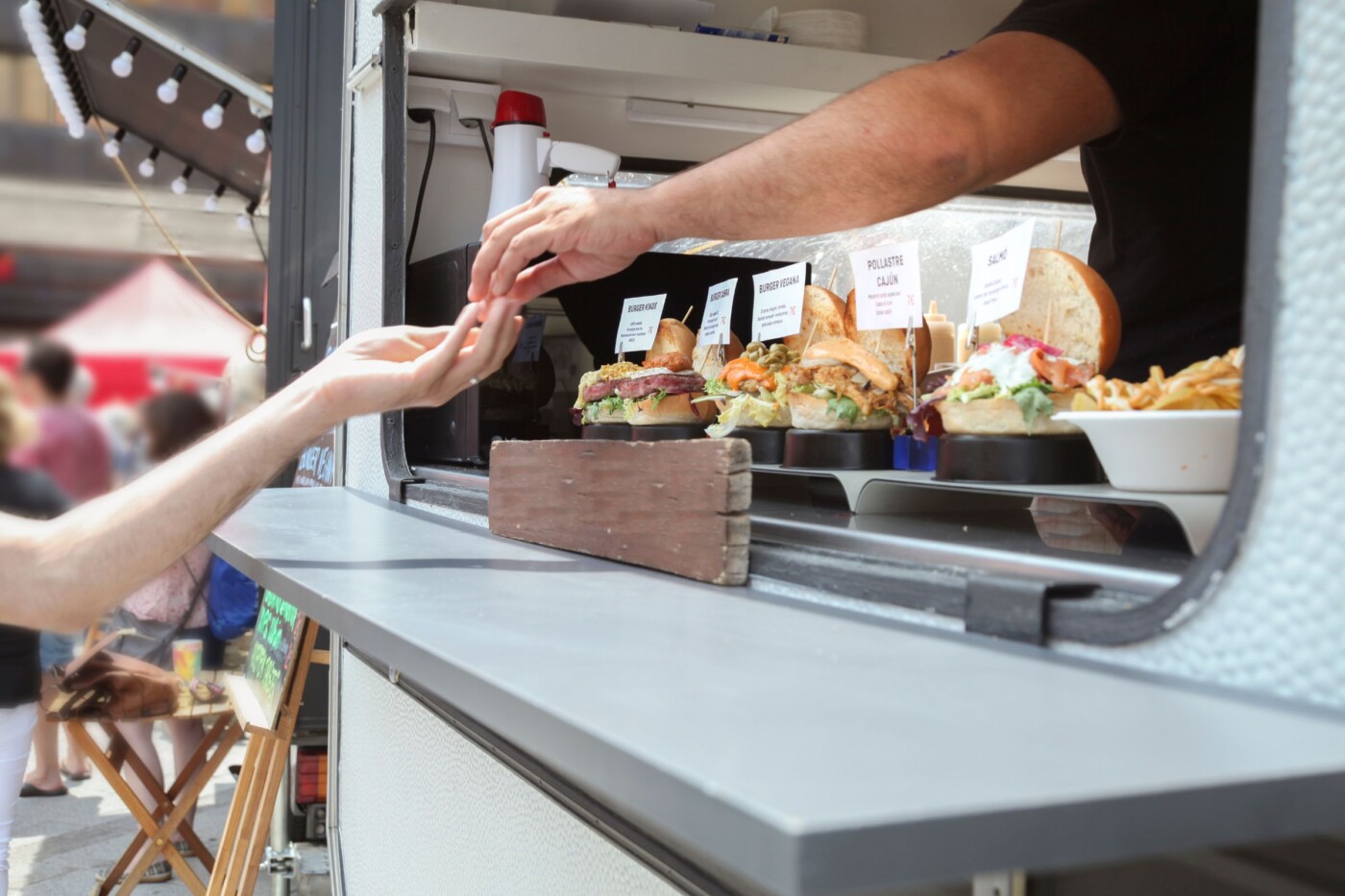
The food industry continues to evolve, and over the past decade, food trucks have exploded in popularity. With lower entry costs and greater mobility, many aspiring restaurateurs are drawn to food trucks as a seemingly more affordable alternative to traditional brick-and-mortar establishments. But are food trucks truly the budget-friendly solution they appear to be?
In this blog, we’ll explore the financial, operational, and logistical considerations that differentiate food trucks from restaurants, particularly focusing on the role of kitchen equipment in NJ, refrigeration equipment in NJ, and storage equipment in kitchens in NJ.
Start-Up Costs: Food Trucks vs. Brick-and-Mortar Restaurants
One of the most appealing aspects of launching a food truck is the initial investment. A well-equipped food truck typically costs significantly less than setting up a full-scale restaurant. However, costs can escalate quickly depending on customization, health code compliance, and necessary equipment installations.
Equipping a mobile kitchen with essential kitchen equipment in NJ—such as fryers, grills, and ventilation systems—is often less expensive than outfitting a full commercial kitchen space. Still, food truck owners must consider the need for compact and efficient layouts that include reliable refrigeration equipment in NJ to safely store perishable ingredients on the go.
In contrast, opening a traditional restaurant involves leasing or purchasing property, undergoing major renovations, and installing a wide array of kitchen equipment in NJ. Additionally, larger scale operations typically require walk-in coolers and extensive storage equipment in kitchens in NJ, both of which come with higher installation and maintenance costs.
Operational Expenses and Mobility
When it comes to ongoing expenses, food trucks generally have lower utilities and staffing costs. Their mobility allows owners to participate in events, festivals, and high-traffic zones, providing flexibility that stationary restaurants don’t offer.
However, food trucks also have unique challenges. Fuel, vehicle maintenance, generator power, and limited space for storage equipment in kitchens in NJ can become hurdles over time. Consistent access to commercial-grade refrigeration equipment in NJ is vital to ensuring food safety standards are met in various weather conditions.
Brick-and-mortar restaurants, while stationary, provide the benefit of expanded prep areas, consistent power and water supplies, and space for more extensive refrigeration equipment in NJ and shelving systems. These allow for better organization and higher production capacity.
Compliance and Regulation in New Jersey
Regulatory requirements differ significantly between food trucks and restaurants. In New Jersey, food trucks must adhere to strict zoning laws, parking regulations, and mobile health inspections. Meeting these standards can involve installing specialized kitchen equipment in NJ designed to comply with mobile kitchen codes.
Restaurants, on the other hand, undergo building inspections, fire code evaluations, and food safety certifications. While the setup might be more permanent, the process can be lengthier and more expensive up front.
Revenue Potential and Long-Term Sustainability
Food trucks can generate impressive profits due to lower overhead and flexible location strategies. They’re ideal for testing menu concepts or building a brand before committing to a permanent space. However, seasonal demand, weather conditions, and limited storage space can impact daily operations.
Restaurants benefit from larger menus, extended operating hours, and increased seating capacity, which can lead to higher average sales. Investing in quality kitchen equipment in NJ, paired with dependable storage equipment in kitchens in NJ, supports scalability and long-term business growth.
Choosing the Right Path
Whether you’re planning to open a food truck or a traditional restaurant, the success of your business heavily depends on strategic planning and investing in the right equipment. Consider your target market, operational needs, and budget when deciding.
Keep in mind that quality refrigeration equipment in NJ is essential to both formats, ensuring food freshness and safety. Similarly, smart layouts using efficient storage equipment in kitchens in NJ can maximize workflow and help maintain compliance with health standards.
Final Thoughts
While food trucks can offer a more accessible entry point into the food service industry, they are not without their own complexities and hidden costs. Brick-and-mortar restaurants require a larger initial investment but provide the infrastructure to support long-term success and growth.
In the end, the better option depends on your goals, resources, and willingness to navigate each model’s unique challenges. Whichever path you choose, ensure you’re outfitted with top-quality kitchen, refrigeration, and storage equipment in NJ to set the foundation for a thriving food business.
>Categorised in: Restaurant Equipment